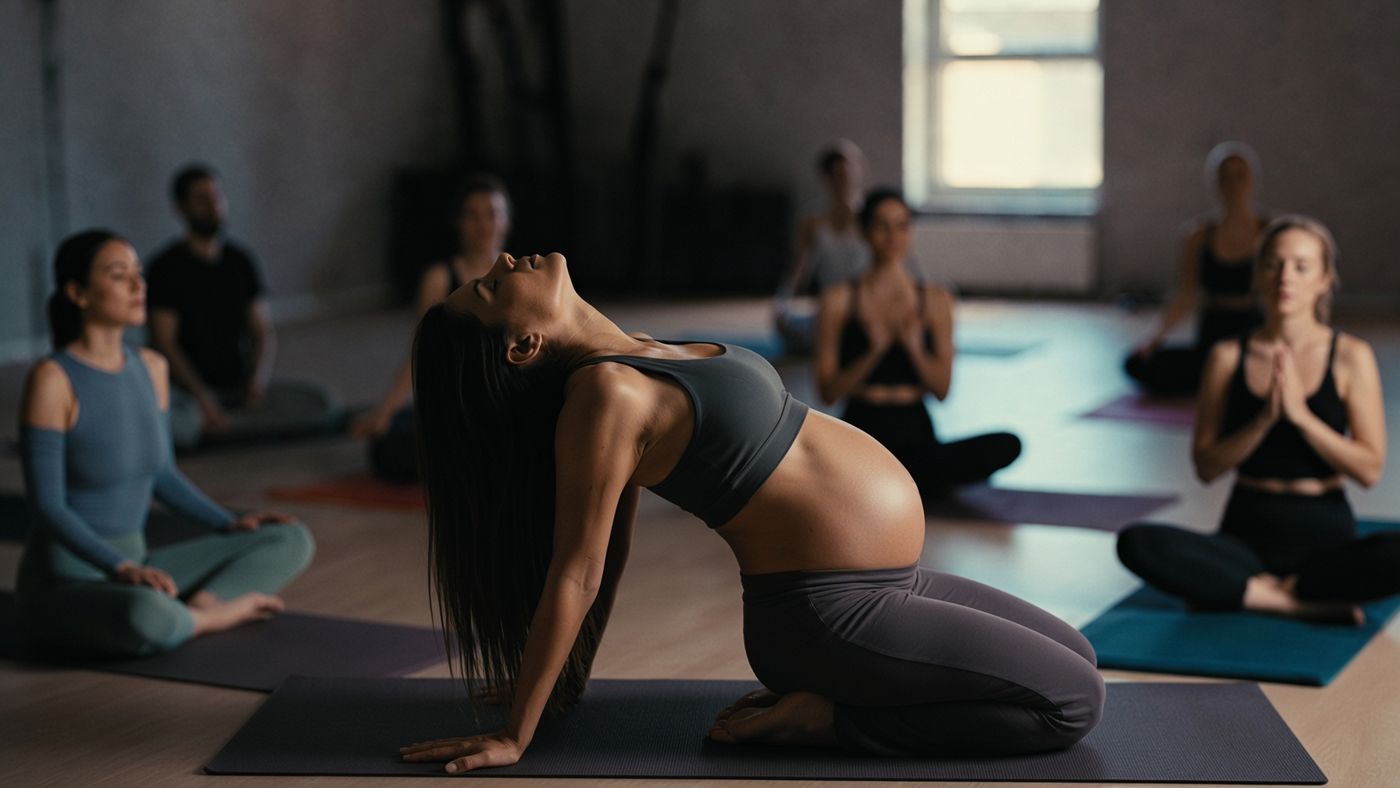
Yoga in pregnancy helps a woman hold her pregnancy in the best way, physically and emotionally. Suitable postures can accompany her through pregnancy and ease typical symptoms such as back and pelvic pain, varicose veins, swelling, nausea, constipation, shortness of breath and more.
The practice also prepares the body for birth, and allows a woman to prepare emotionally and mentally through deep listening to the body. A woman who practices yoga during pregnancy can use it during labor, when postures and movements help the pelvis release and the birth progress. She gains practical tools for birth: breath, relaxation, postures, movement and voice, which help her cope with pain and support the birth.
Practice in pregnancy also prepares for the time after birth, supporting a faster recovery of the pelvic floor muscles and a better overall feeling.
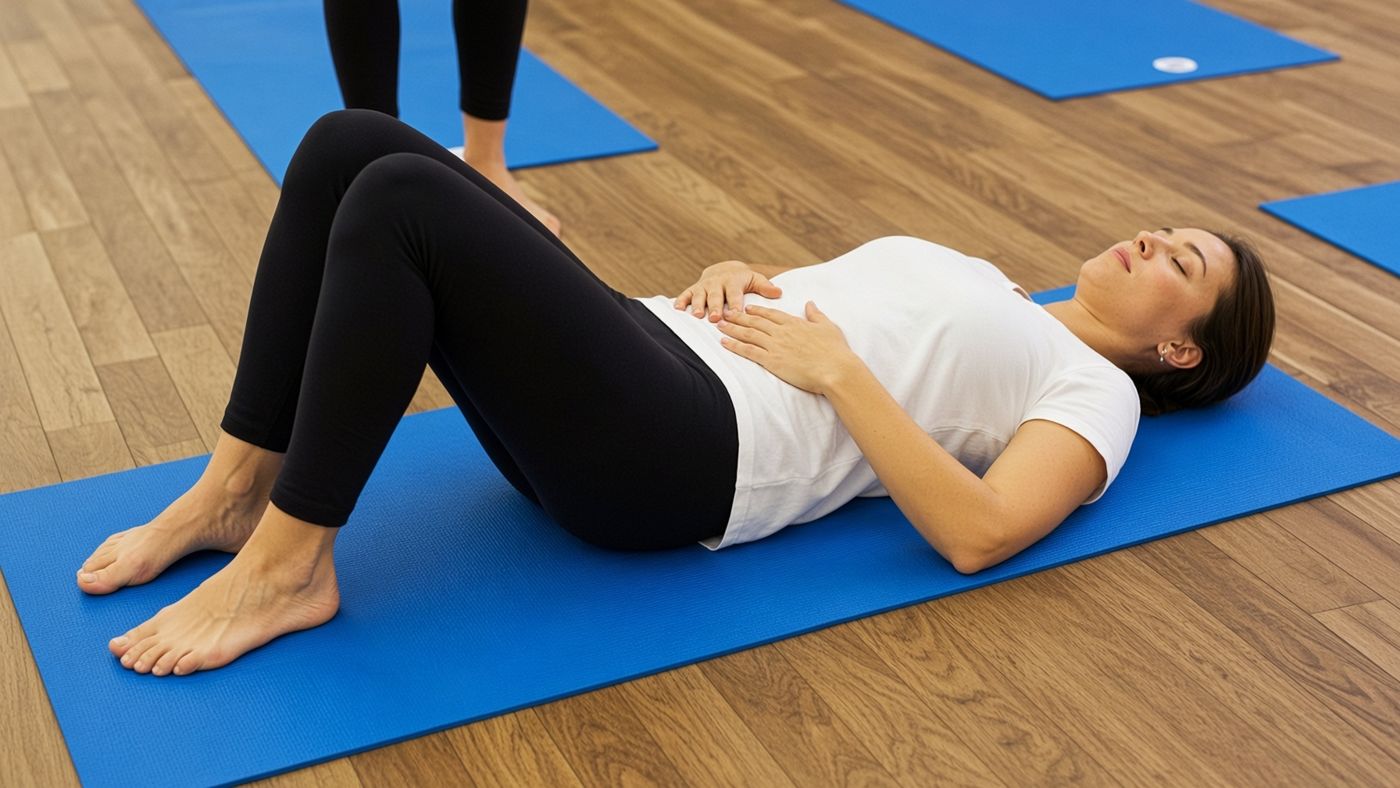
Breath and the pelvic floor
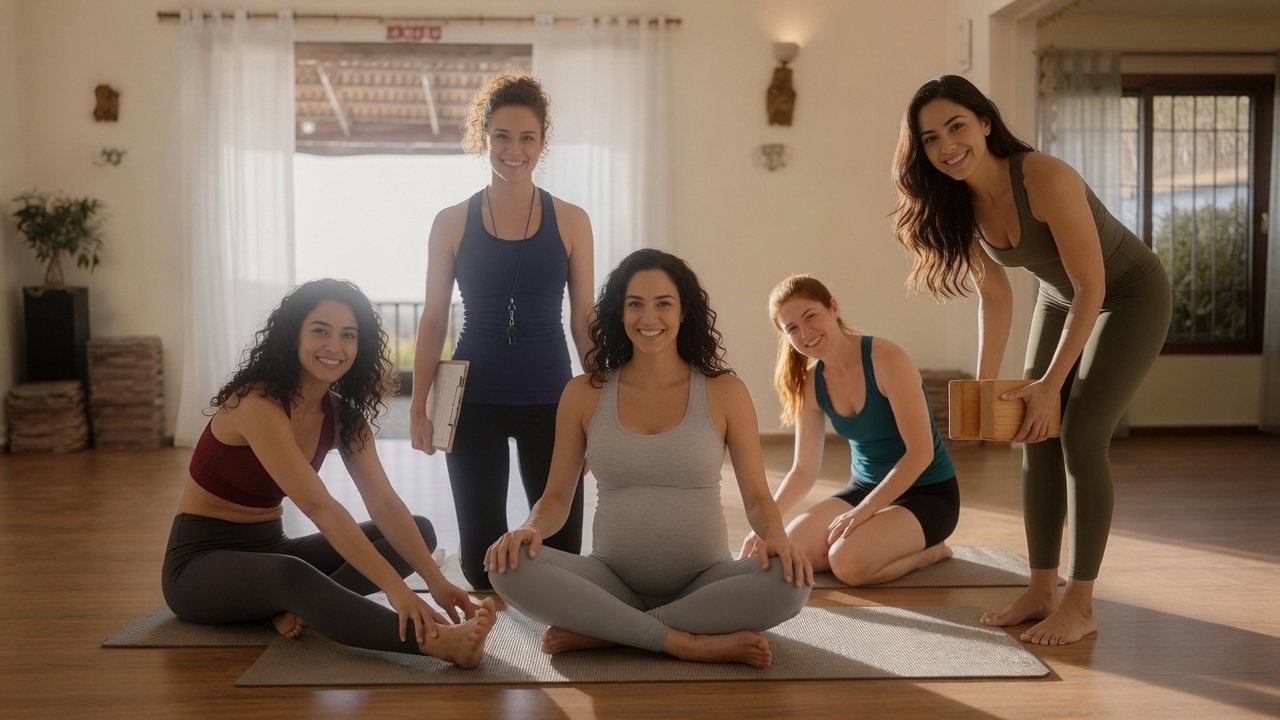
Yoga in pregnancy should include a deep understanding of the breath and of the pelvic floor muscles: the connection between movement and breath, and between breath and the pelvic floor, which is important to strengthen during pregnancy and after birth. This understanding is also at the heart of every good pregnancy yoga teacher course, because a teacher who knows how breath and pelvic floor work together can guide each woman safely through the changes of pregnancy.
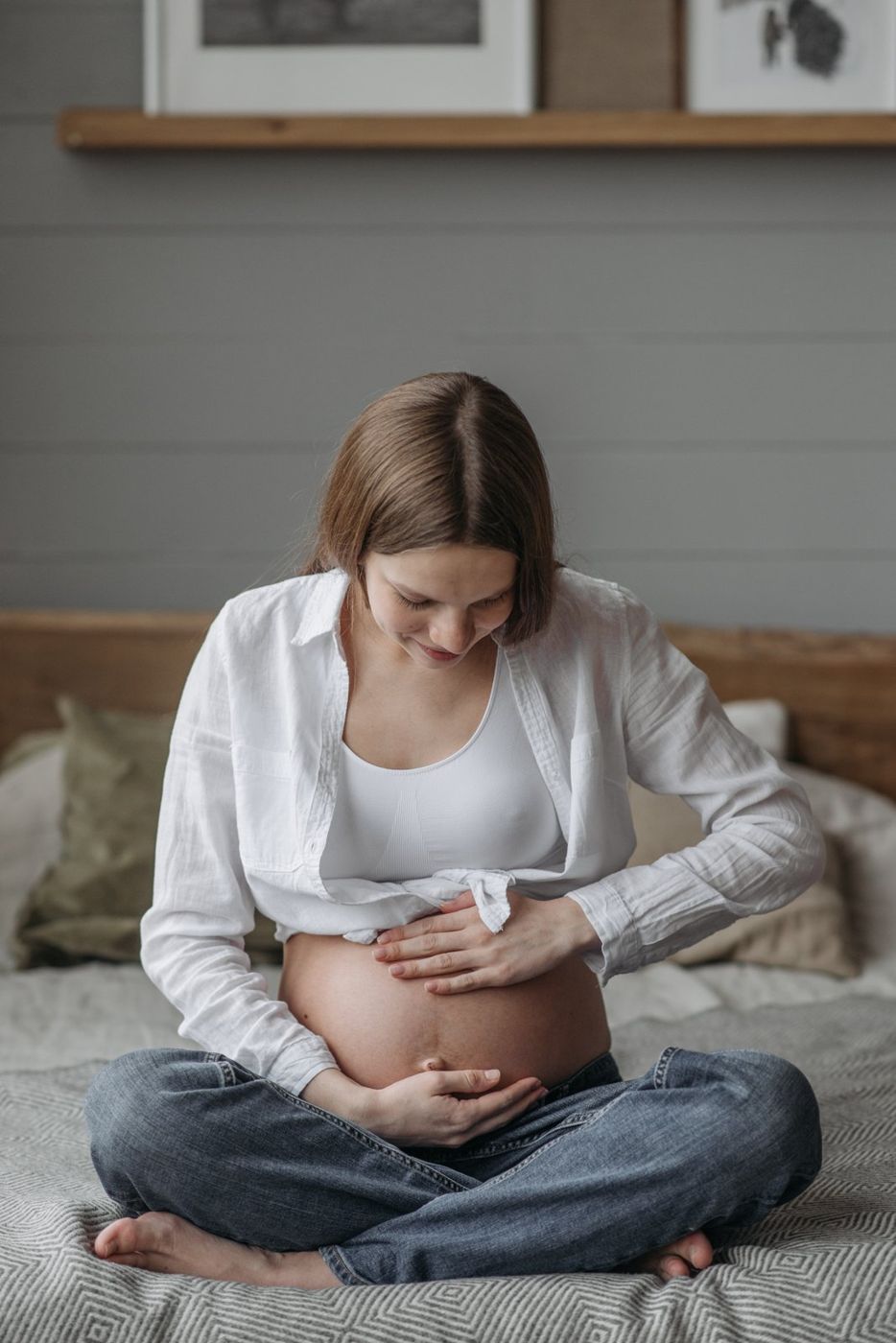
The value of yoga in pregnancy is not only physical. It gives a pregnant woman tools for inner connection and listening, and gives her back her trust in a body that can, and is able to, give birth.
Originally published in Hebrew on women-yoga.com. Translated to English; the meaning is unchanged.