Articles and short practices about the cycle, pregnancy, birth, the months after it, and menopause. Written slowly, so you can read them the same way.


Moving with the month, not against it.

Trimester by trimester: what changes, what helps.

Breath, voice and position for labor.

Pelvic floor, the abdomen and coming back slowly.

Sleep, heat, bones and a new rhythm.
Our bodies are built differently.
We need a specially designed practice.
Technology and abundance let us "enjoy" a lifestyle that harms us. We rarely do physical work, spend hours at the computer, eat a lot and worry far too much. Many of us suffer, or will suffer, from headaches, exhaustion and a constant sense of dissatisfaction. Medication alone is not the answer. So what can we do? Yoga.

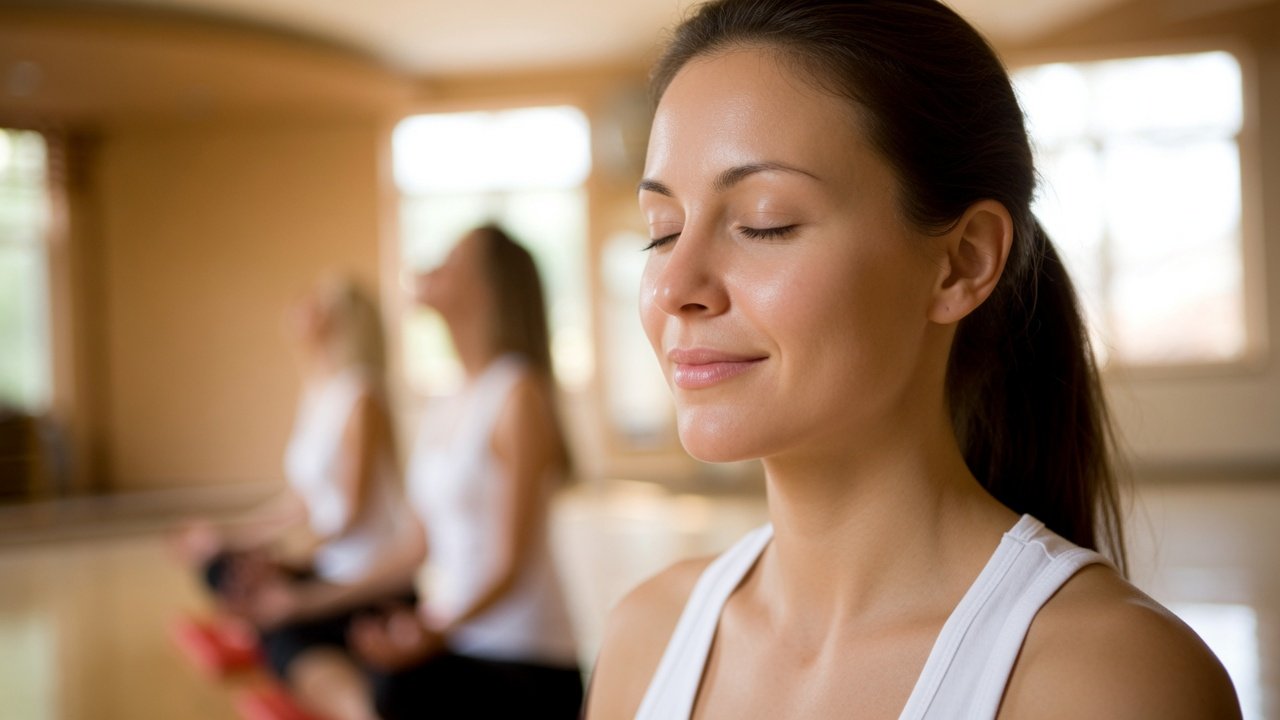
We are cyclical beings. Change is the most constant thing in a woman's life, and practice is one way to learn to read it.
The link between the brain and the pelvis drives the shifts of every month: energy, mood, patience. Adjusting practice to each phase turns it into a conversation.
"A woman can learn to listen to the signals that come from the pelvis, signals we were never taught to understand."
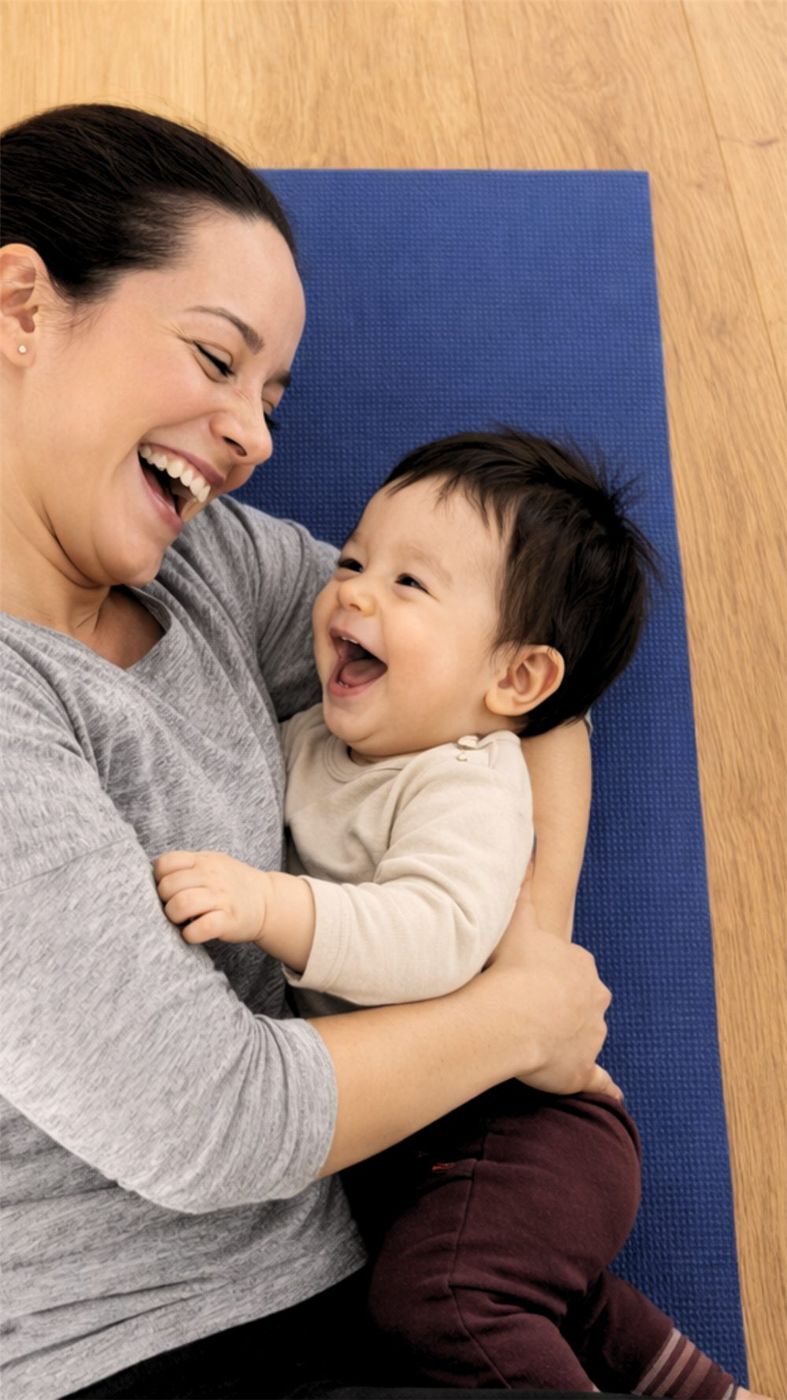
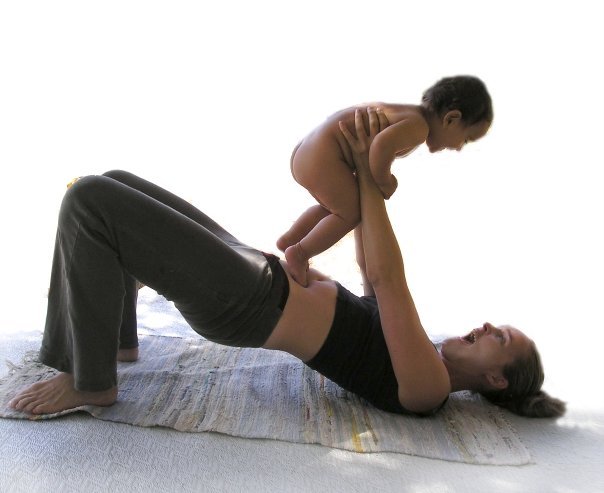
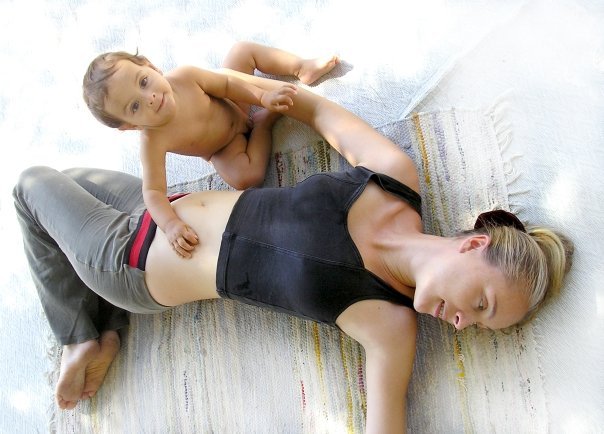
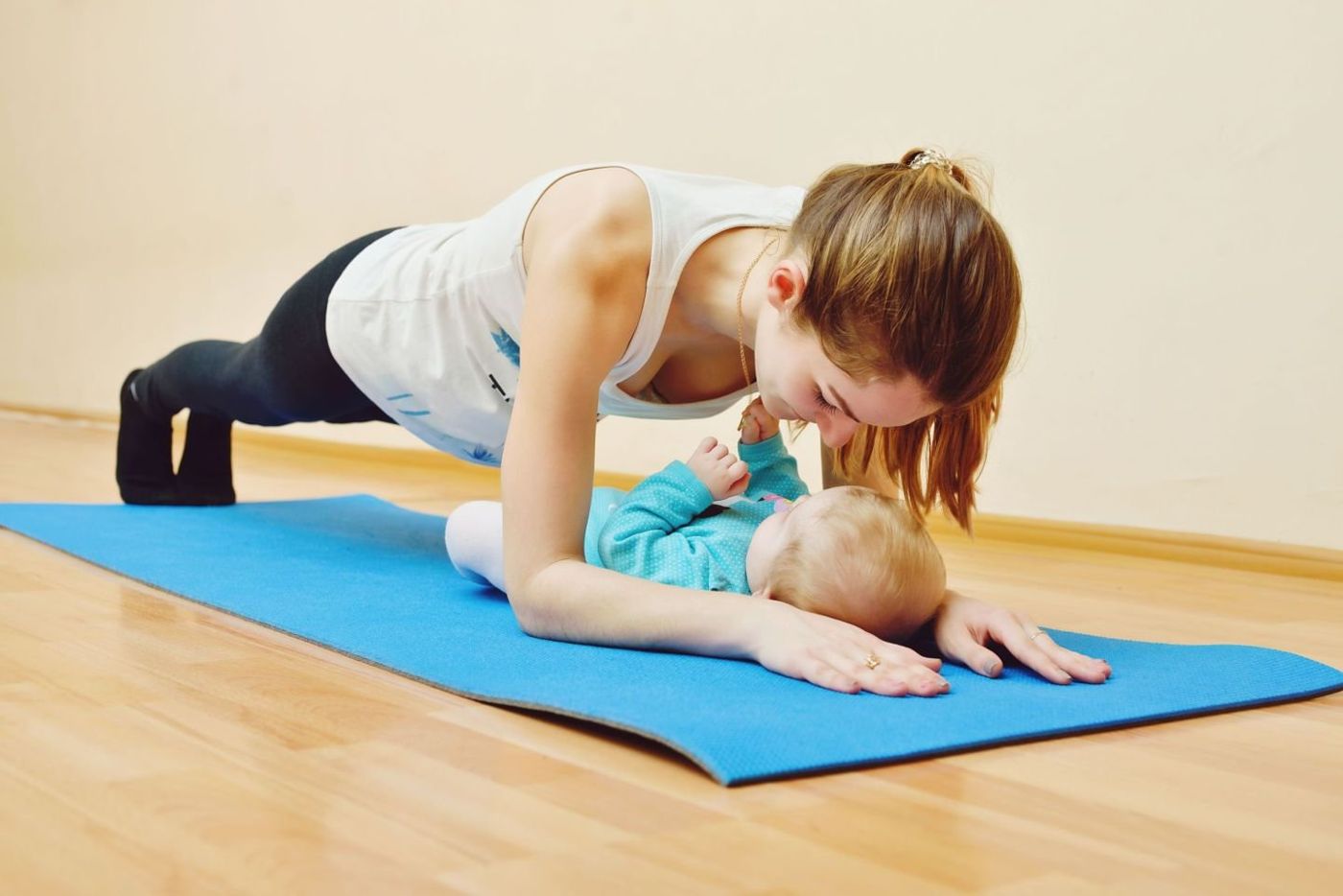
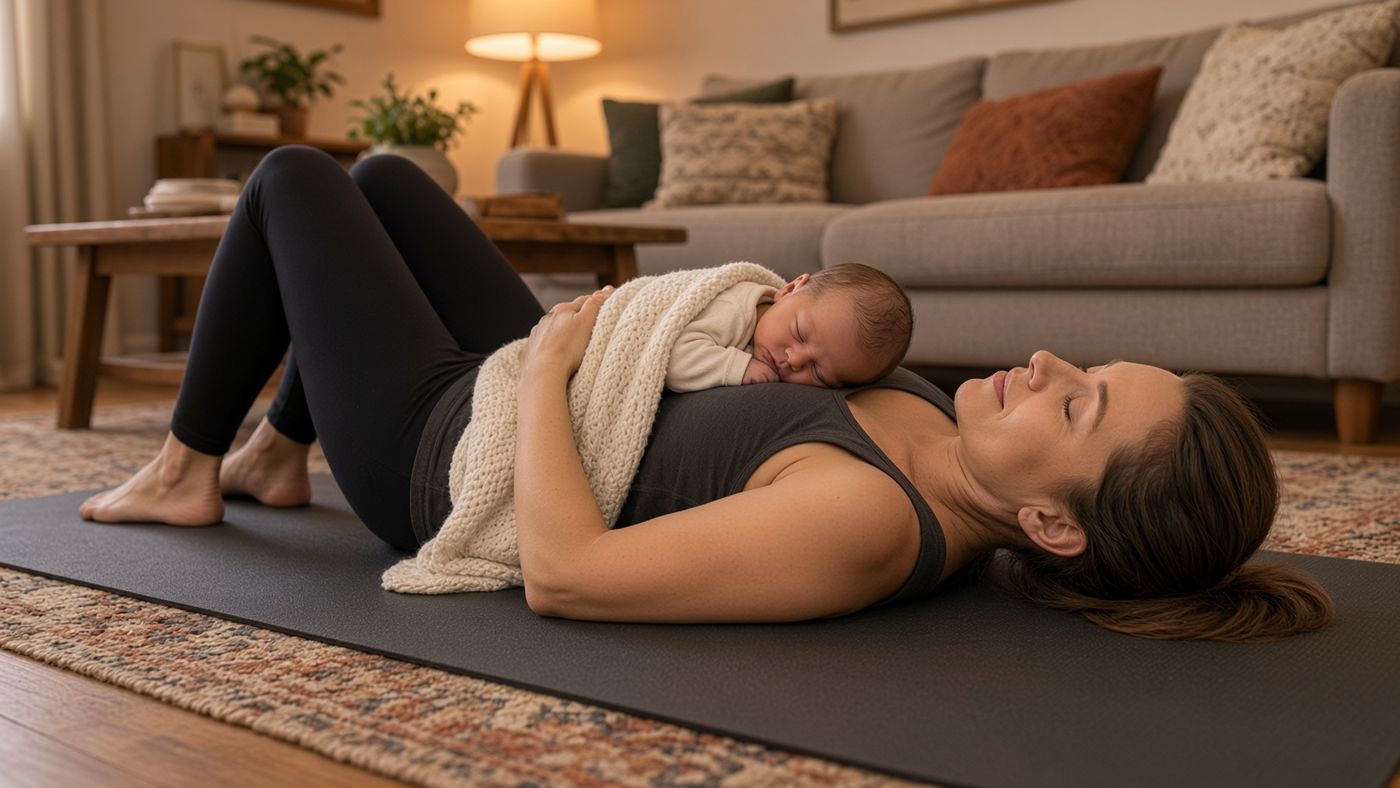
The months after birth are full of love, and full of effort. Practicing with your baby beside you, on your chest or in your arms turns a few minutes on the mat into time for both of you.

How common the gap is, whether it causes pain, and what exercise can and cannot do.

Seasons, moon and month: a different way to look at change.

How a lifetime of gravity affects the pelvic floor, and why these muscles can be trained.

Breath, alignment and a five-minute routine to care for the teaching voice.

Stress, hormones and the cycle: why a practice that changes with you helps.

Breath, sound, movement and a partner: tools for each contraction.
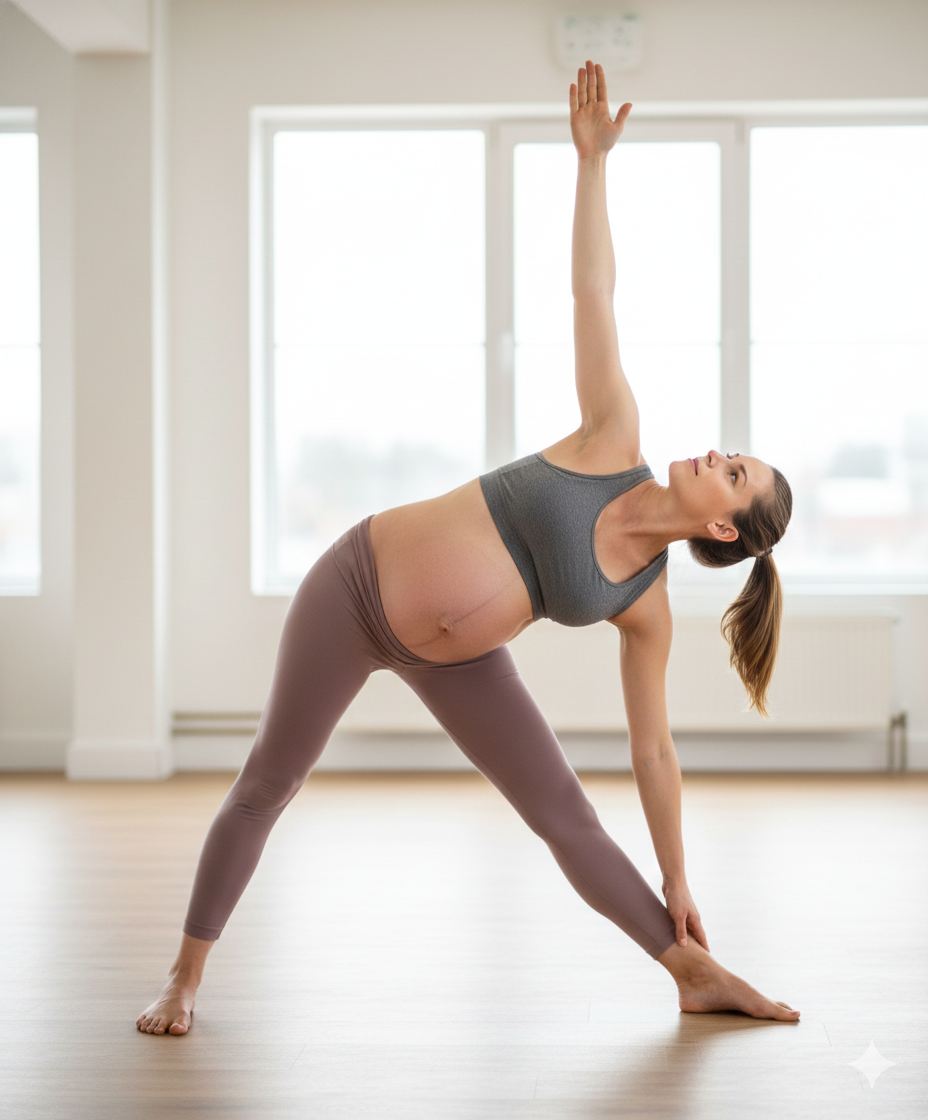
Short sequences you can read once and do on your living room floor.
5 min
4 min
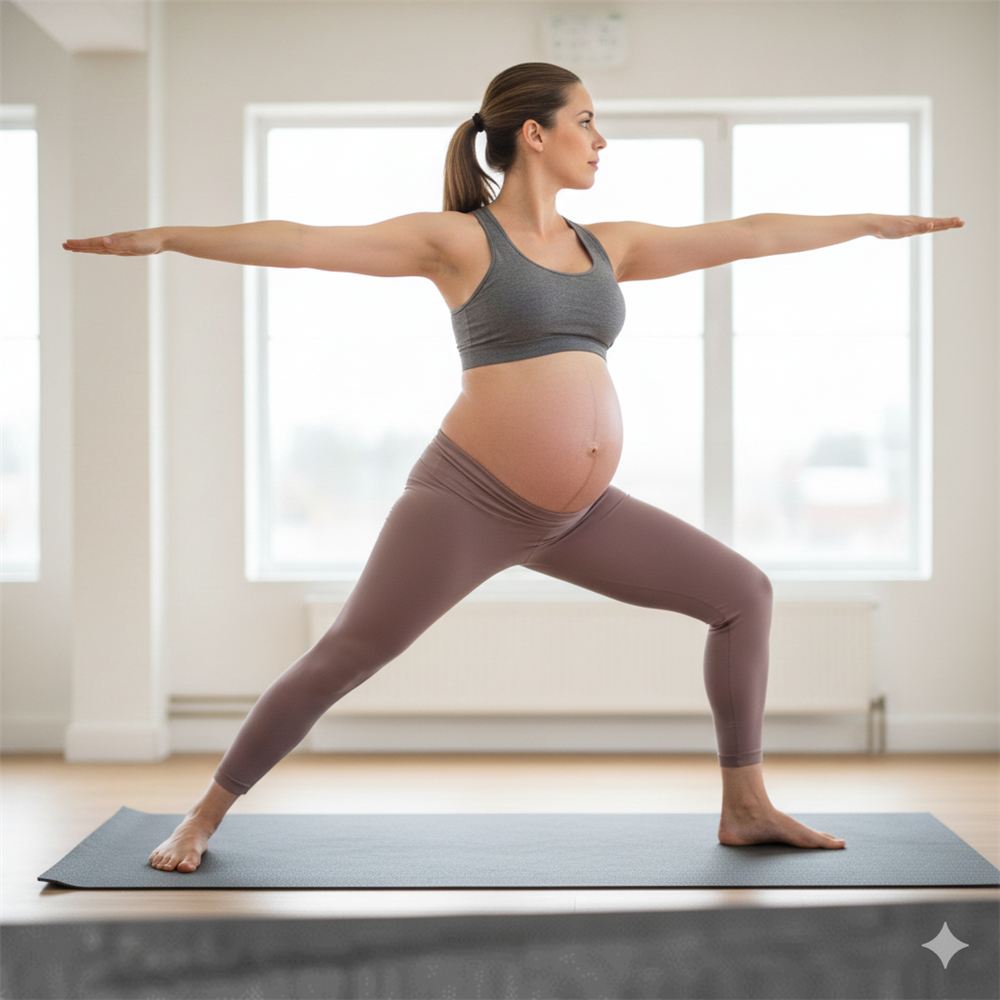
6 minMajor guidelines (WHO and ACOG) encourage regular physical activity throughout pregnancy, including the first weeks, for women without a medical reason to avoid it. The changes that matter most are avoiding overheating, including hot yoga, and poses with a real risk of falling. Ask your caregiver if your pregnancy has any complications. Read more
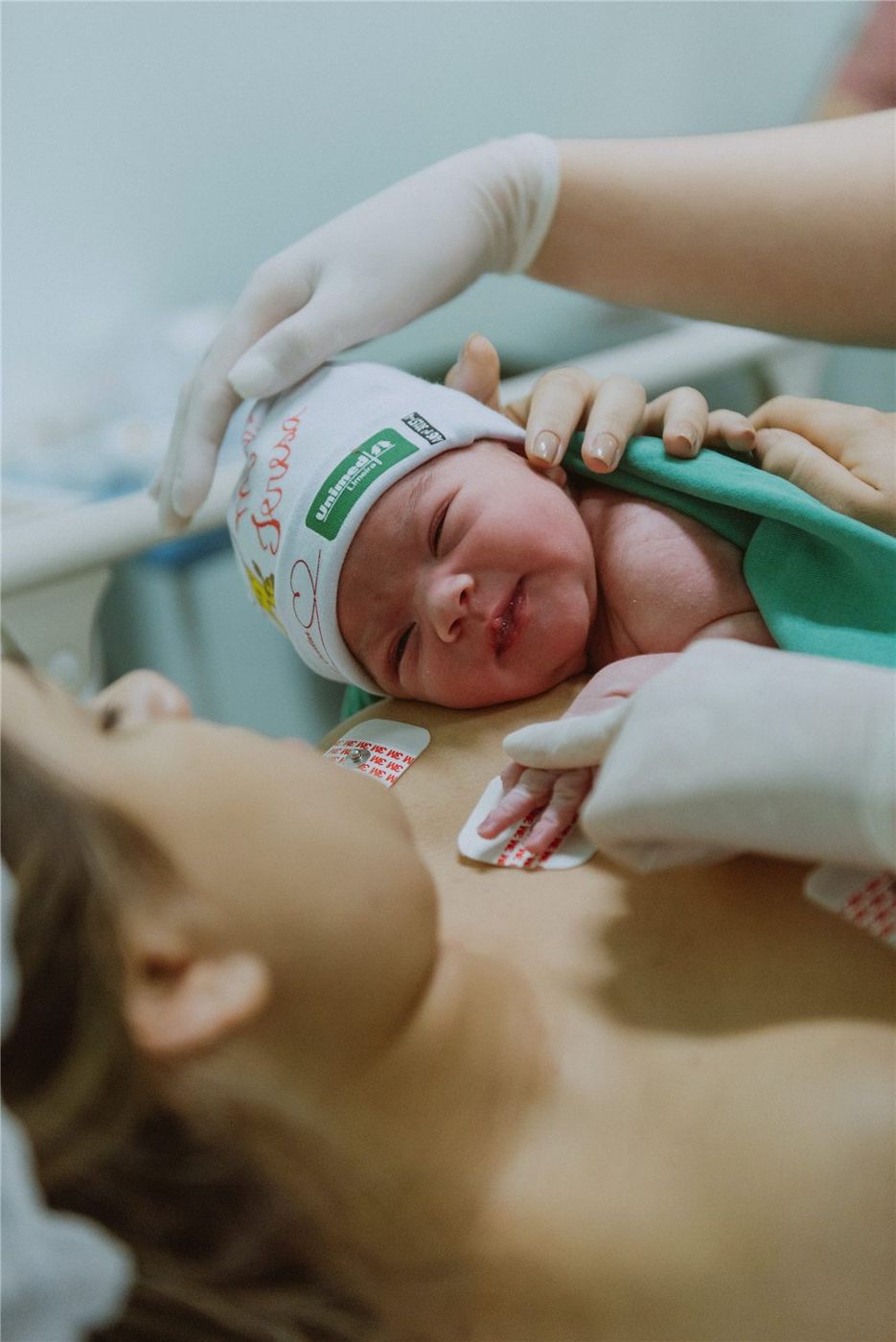
After a straightforward birth, gentle movement such as walking, stretching and pelvic floor exercises can start as soon as you feel up to it. Recovery takes longer after a caesarean or a complicated birth. The 6-week check is a good moment to ask about high-impact exercise; a UK guideline suggests running no earlier than 3 to 6 months after birth. Read more
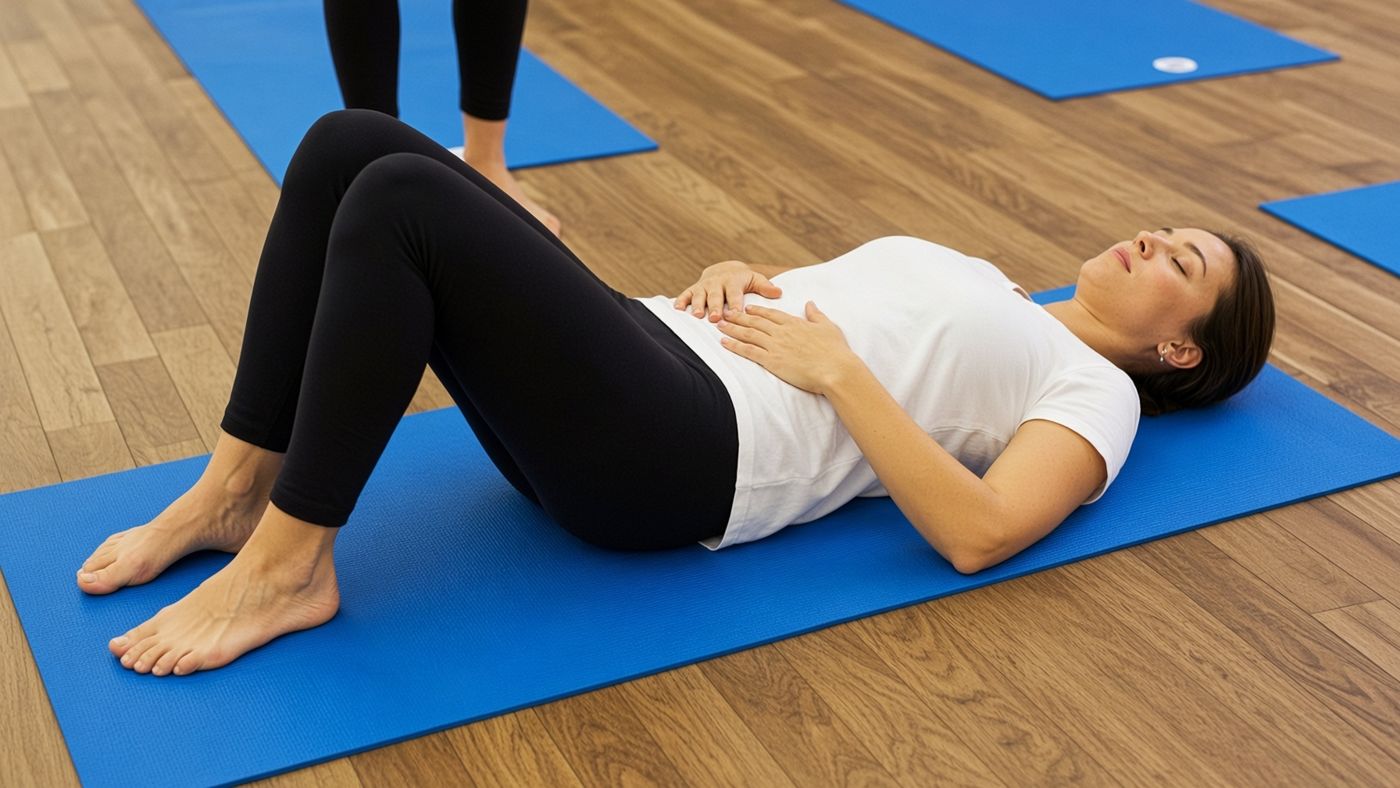
Diastasis recti is a widening of the gap between the two long abdominal muscles. It is close to universal in late pregnancy and narrows on its own for most women in the months after birth. To check, lie on your back with knees bent, lift your head slightly and feel how many fingers fit between the muscle edges above and below the belly button. Read more
The advice with the most support is to avoid overheating, contact and poses with a real risk of falling, and to avoid lying flat on your back for long periods after the first trimester, although the evidence there is uncertain. Many strict rules, such as avoiding all twists, are tradition rather than evidence. Listen to your body and modify. Read more
Don't give yourself less than the maximum.
A new essay and a short practice, straight to your inbox.