- Trials in healthy babies hint at benefits for growth, sleep and crying, but most of these findings faded when the weaker studies were set aside. The evidence is poor quality.
- For mothers with postnatal depression, small studies suggest that massaging their baby may ease symptoms. The research is promising but not yet strong.
- Choose a calm, alert moment, not straight after a feed and not when your baby is unwell. Oil is optional. Follow your baby's cues, and stop when they have had enough.
What the research shows Evidence: low
The main review is a Cochrane review of massage for healthy babies under six months. It included 34 studies, and rated 20 of them as being at high risk of bias, meaning problems in how they were designed or run.1
On first look, the results seem encouraging: nine of fourteen analyses of physical outcomes, including weight, length and head size, favoured massage.1 But when the authors removed the studies at high risk of bias, only the result for length remained. Their conclusion is clear: the findings "do not currently support the use of infant massage with low-risk groups of parents and infants", and the available evidence is of poor quality.1
That does not mean massage is useless. It means the large promises often attached to it, such as better sleep, less colic or faster development, have not been proven in healthy babies.
For babies born early or small, an older Cochrane review found that massage was linked with slightly faster weight gain and a shorter hospital stay, but its authors raised serious concerns about study quality and called the evidence for developmental benefit weak.2 On a neonatal unit, follow the team's guidance.
What about the mother?
Here the picture is more hopeful, though still uncertain. A 2023 systematic review looked at mother-led baby massage for women with postnatal depression. It found eight studies with 521 women in total. Across the studies, women who massaged their babies showed fewer symptoms of depression, and some reported better interaction with their baby and more confidence.3
The authors are honest about the limits: the studies were small, rated as fair quality with a high risk of bias, and too different from each other to combine in one analysis.3 Massage is not a treatment for depression. If your mood is low, please talk to your midwife, health visitor or doctor. You can read more in our article on mood after birth.
When to massage
Choose a time when your baby is alert and content, and when you feel calm and have a few minutes to spare.4 A warm room, low light and a soft towel or changing mat help you both relax.5
An NHS health visiting guide lists times when a baby is not ready for massage:5
- straight after a feed;
- when tired or asleep, hungry or crying;
- when unwell or with a temperature;
- after immunisations;
- when the skin is broken or inflamed.
Avoid the tummy button area until the cord has healed.4 A full routine is not needed every time. A couple of minutes on the legs or arms is plenty, and missing a day does not matter.4
Oils: less is more
Oil is not essential. It simply helps your hands glide. If you use one, the advice from health services is consistent on a few points:
- Plain and unscented. Babies have sensitive skin and may react to fragrances. Avoid strongly scented oils, and use aromatherapy oils only with expert advice.4,5
- Test first. Try a small amount on your baby's skin to check for a reaction.4,5
- Nut oils. Only use nut-based oils if you know your baby is not allergic to nuts. Avoid mustard oil.4
- Keep it away from your baby's hands, mouth and eyes, and wipe off any oil afterwards.4,5
Olive and sunflower oil are often suggested. A small trial of 115 healthy newborns compared these two oils with no oil, applied twice a day for four weeks. Both oils improved skin hydration, but the skin's protective layer developed less well than with no oil. The study was a pilot, not designed to show real-world harm, and its authors advise caution when recommending oils for newborn skin until more is known.6 For a very young baby, massage without oil is a reasonable choice.
A simple routine
Undress your baby down to the nappy, or leave clothes on if they seem happier that way. Keep one hand on your baby, talk softly, and let them know you are starting.4,5 Use slow, gentle strokes, and do only the parts your baby enjoys.
- Opening stroke. Rest your flat, open hands on your baby's head or tummy, then stroke gently down both sides of the body, from head to feet.5
- Legs and feet. Use long, gentle strokes from heel to toes, then from ankle to thigh. Repeat on the other leg. Gently bending the knees towards the tummy may help with wind.4
- Tummy. If the tummy feels soft, draw a wide circle around the tummy button with the flat of your hand, always clockwise. Three or four circles are enough.4,5
- Chest. Stroke from the shoulders down over the chest.4
- Arms and hands. Stroke from the shoulder down to the wrist, one arm at a time. Keep oil off the hands, since they end up in the mouth.4
- Face. With clean fingertips and no oil, stroke gently from the middle of the forehead down the sides of the face.4
- Back. If your baby is comfortable on their tummy, turn them over and stroke gently from head to toe.4
- Afterwards. Wipe off any oil, wrap your baby in a warm towel and cuddle. Your baby may be thirsty or sleepy, so offer a feed or a rest.5
Reading your baby's cues
Your baby will tell you how it is going. A baby who is ready tends to be calm, with bright eyes, looking at your face, reaching for you and moving their arms and legs in a relaxed way.5
Signs that it is time to stop include becoming restless, arching the back, turning the head away or staring into space, clenching the fists, pulling away, bringing up a little milk, yawning, closing the eyes or falling asleep.5 Stopping is not a failure. It is part of learning each other's signals, which is one of the quiet gifts of massage.
A calm moment for you, too
Massage is something you do with your baby, not to them. It can also be a few minutes of stillness for you. Before you start, sit comfortably and let your shoulders drop. As you stroke, let your breath slow down and match its rhythm: a long, easy exhale with each downward stroke. Notice the warmth of your hands and your baby's skin. If your mind wanders to the to-do list, simply come back to your hands.
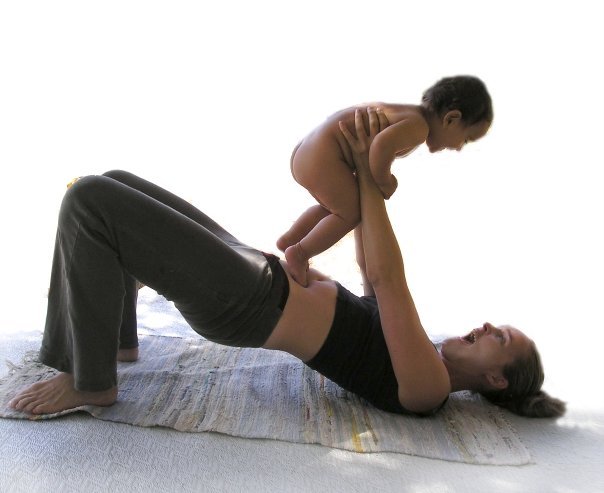
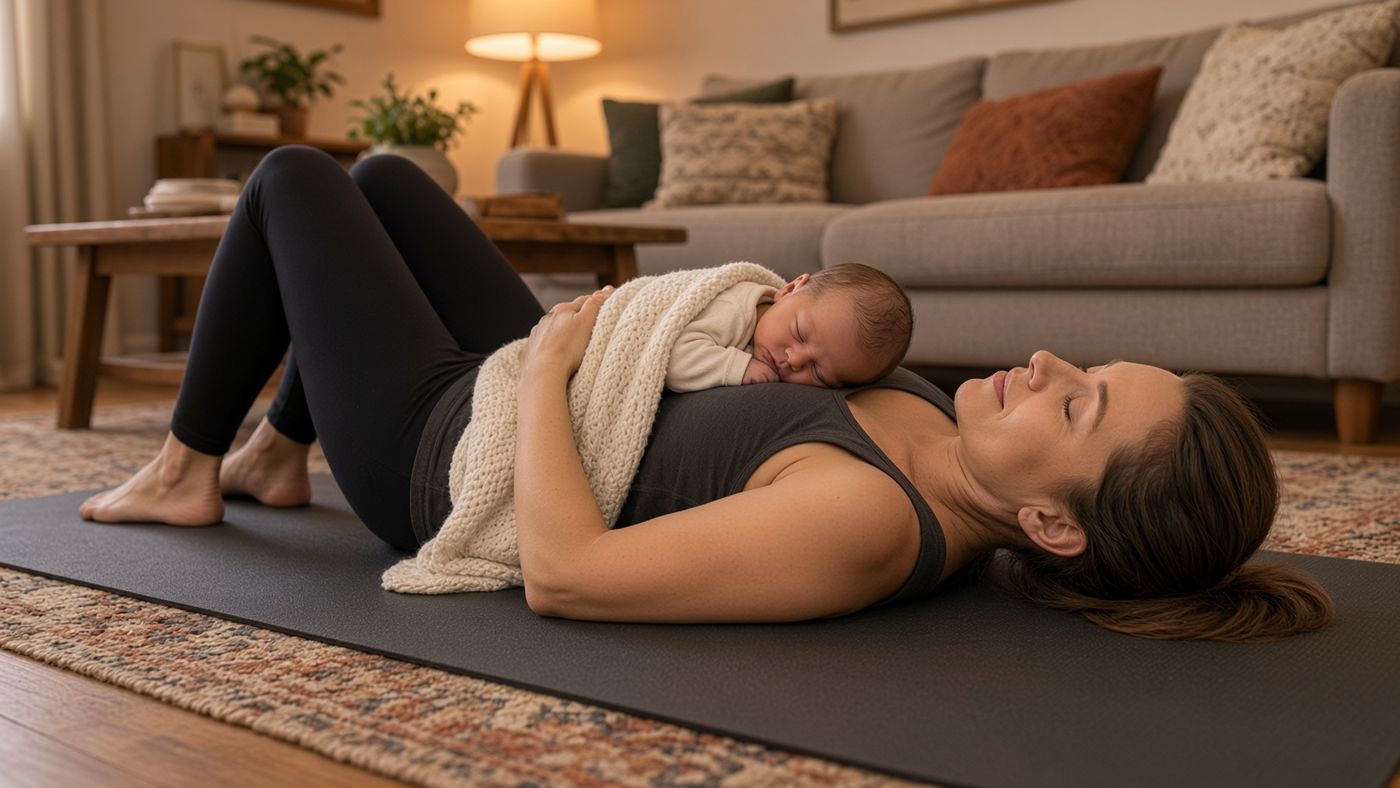
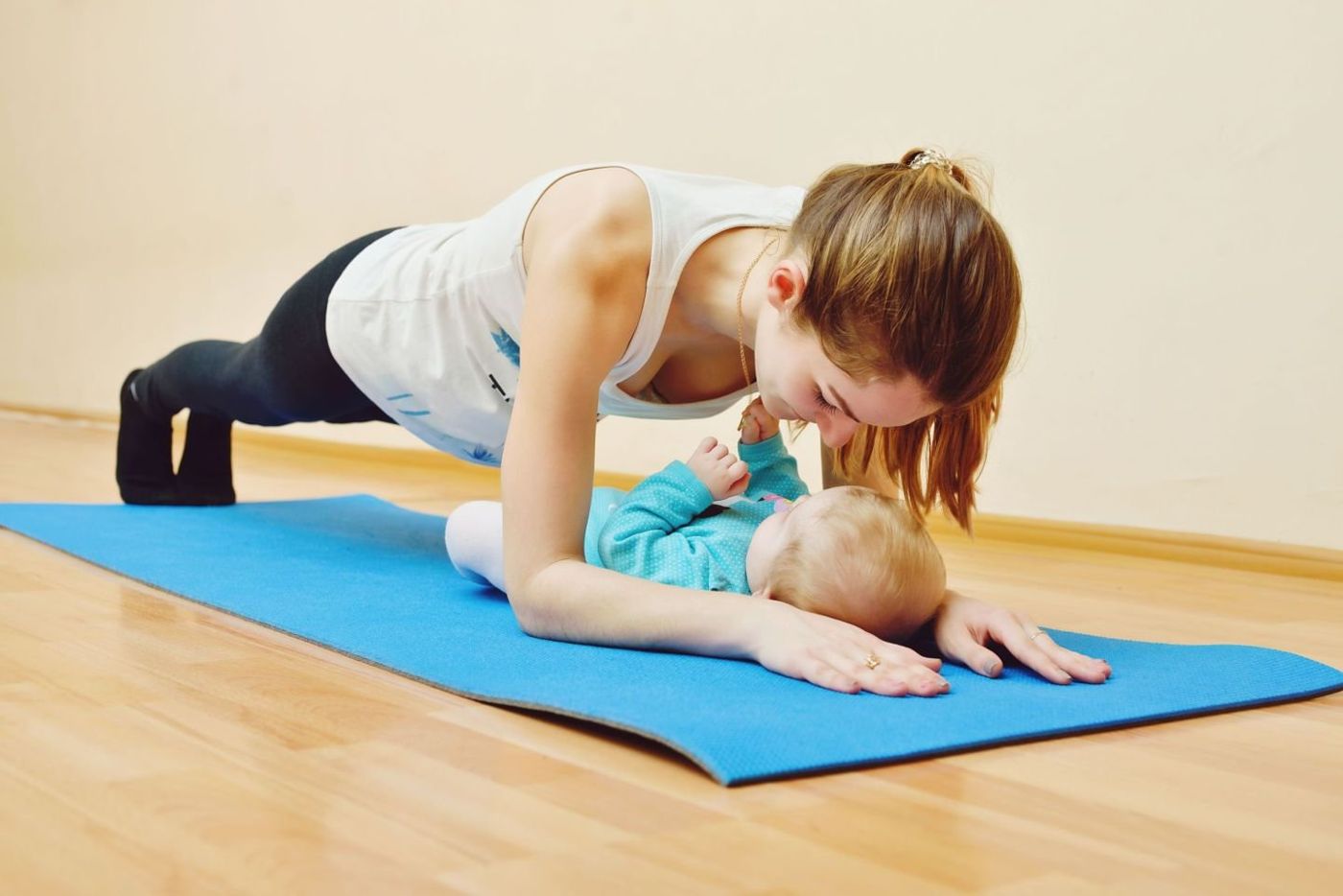
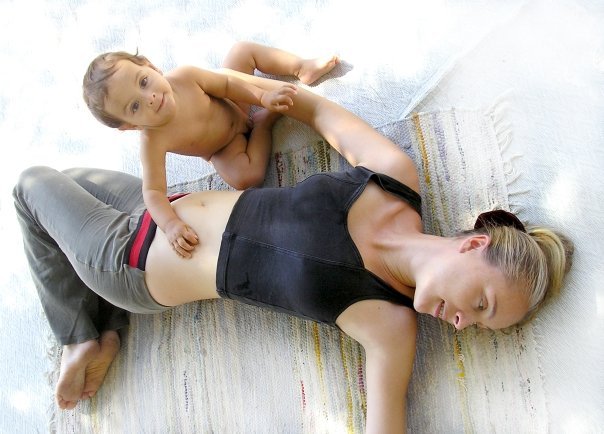
If you enjoy moving together, our article on mom and baby yoga has gentle ideas for the months ahead.
When to check with a professional
Ask your health visitor, midwife or doctor before massage if your baby was born early or has a medical condition, has eczema or broken skin, or reacts to an oil. Skip massage when your baby is unwell, and seek medical advice for fever, unusual crying or any change that worries you. If your own mood is low for more than a couple of weeks, please talk to someone.
The bottom line
The research does not show that massage makes healthy babies grow, sleep or develop better, and the studies behind the bigger claims are weak. There are early, hopeful signs that it may help mothers with postnatal depression. What remains is simple: a few quiet minutes of touch, at a time that suits your baby, with plain or no oil, stopping when they have had enough. That is reason enough to try.
Sources
- Bennett C, Underdown A, Barlow J. Massage for promoting mental and physical health in typically developing infants under the age of six months. Cochrane Database of Systematic Reviews. 2013, Issue 4. Art. No.: CD005038. Link
- Vickers A, Ohlsson A, Lacy J, Horsley A. Massage for promoting growth and development of preterm and/or low birth-weight infants. Cochrane Database of Systematic Reviews. 2004, Issue 2. Art. No.: CD000390. Link
- Geary O, Grealish A, Bright AM. The effectiveness of mother-led infant massage on symptoms of maternal postnatal depression: a systematic review. PLoS ONE. 2023;18(12):e0294156. Link
- Pregnancy, Birth and Baby (Healthdirect Australia). Baby massage. Last reviewed July 2025. Link
- Gloucestershire Health and Care NHS Foundation Trust, Health Visiting. Handy guide: Getting to know your baby. Positive touch and interaction. Link
- Cooke A, Cork MJ, Victor S, Campbell M, Danby S, Chittock J, Lavender T. Olive oil, sunflower oil or no oil for baby dry skin or massage: a pilot, assessor-blinded, randomized controlled trial (the oil in baby skincare [OBSeRvE] study). Acta Dermato-Venereologica. 2016;96(3):323–331. Link
This article is general information, not medical advice. Medical review: pending.